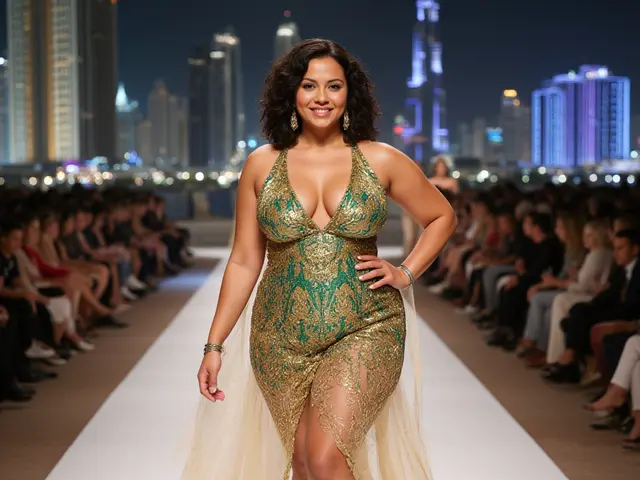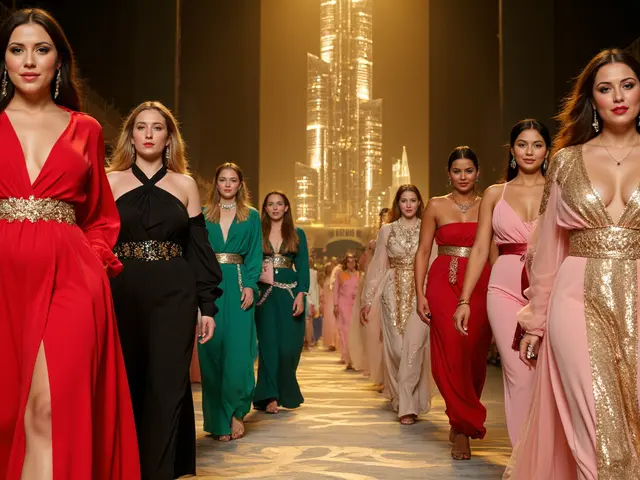
What happened to the plus-size models? The truth behind the fade-out
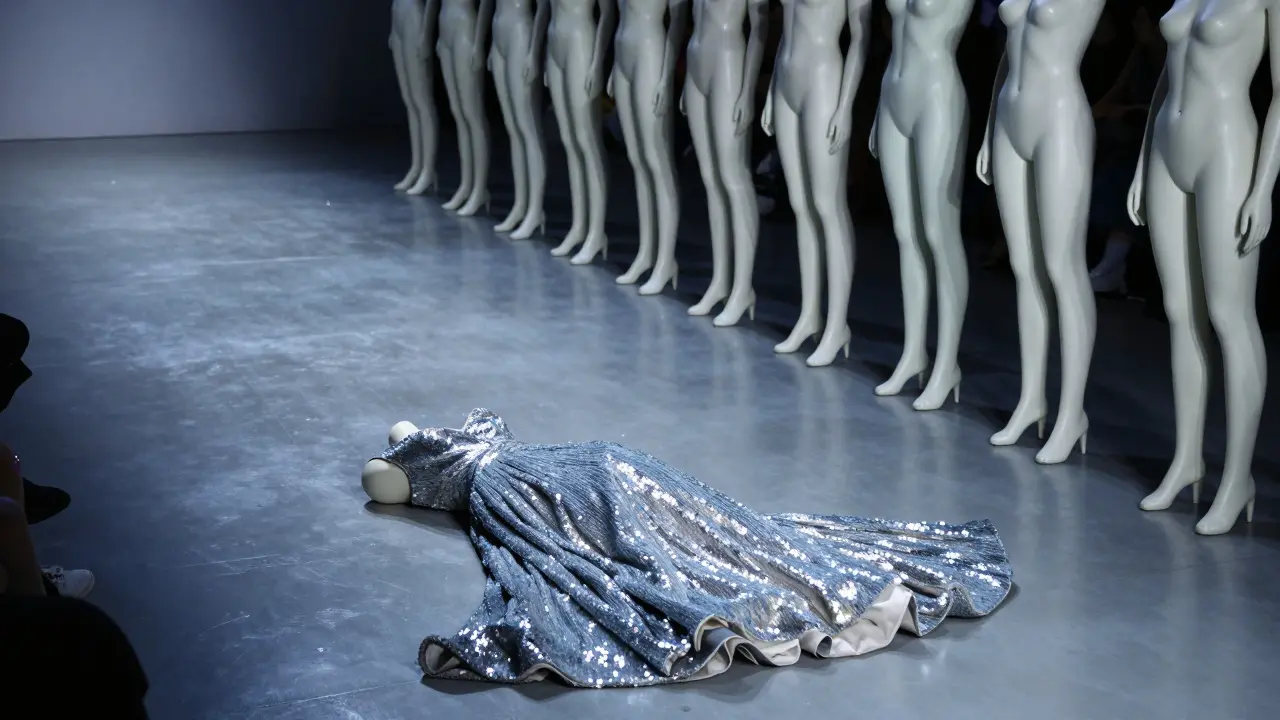
You used to see them everywhere. Curvy, confident, radiant women walking runways, starring in ad campaigns, gracing magazine covers. Then, slowly, they disappeared. Not because they stopped being beautiful. Not because they lost talent. But because something deeper changed in the fashion world - and most of us didn’t notice until it was too late.
So what really happened to the plus-size models?
They were never meant to stay
The so-called "plus-size revolution" of the early 2010s wasn’t a movement. It was a marketing tactic. Brands like Savage X Fenty, ASOS, and Lane Bryant jumped on the trend after seeing how much engagement body-positive campaigns generated. Social media lit up. Hashtags like #BodyPositivity and #EffYourBeautyStandards trended. Sales spiked. Suddenly, every brand wanted a curvy model - but only as long as it made money.
Here’s the uncomfortable truth: the industry didn’t embrace size diversity. It exploited it.
When the hype faded, so did the contracts. The same magazines that once featured Ashley Graham on their cover went back to booking size 0 models. The same designers who praised "real bodies" in interviews quietly went back to sizing their collections for a narrow range. And the plus-size models? They were told they were "too big" for the next campaign - even if they’d just walked for a top brand six months earlier.
The numbers don’t lie
In 2014, 17% of American women wore a size 14 or larger. By 2026, that number is closer to 24%. But in 2025, only 3% of models on major runways in New York, Paris, and Milan were size 12 or above. That’s not progress. That’s regression.
And it’s not just runway. Look at advertising. A 2023 study by the Center for Body Integrity found that 89% of clothing ads in mainstream media still feature models under size 10. Even when the brand’s target customer is clearly size 14+.
Why? Because the industry still believes bigger bodies don’t sell. Not because it’s true - but because it’s convenient. It’s easier to stick with the same thin, airbrushed faces than to retrain photographers, redesign layouts, or rethink what "beautiful" means.
Who got left behind?
It wasn’t just one model. It was dozens.
Think of Tisha Campbell, who walked for Rihanna’s Savage X Fenty in 2019 and was featured in Vogue Italia. By 2022, she was working as a yoga instructor. Or Jodie B. - once the face of Universal Standard - who now runs a small online boutique for size-inclusive lingerie. She told a reporter in 2024: "I didn’t leave fashion. Fashion left me."
These aren’t outliers. They’re the rule.
Many plus-size models didn’t retire. They were replaced. Agencies stopped signing them. Brands shifted to digital influencers - who often had smaller frames but more followers. Suddenly, "body positivity" meant posting in a bikini on Instagram, not walking a runway in a couture gown.
The illusion of progress
You’ve seen the headlines: "Fashion is becoming inclusive!" But look closer. The "inclusive" campaigns are still rare. They’re seasonal. They’re one-off. They’re never part of the main collection.
Most brands still have a "plus-size line" - separate from the main collection. That’s not inclusion. That’s segregation. It’s like having a "special" entrance for people of color. It looks good on paper. But it’s still exclusion.
And the models? They’re often paid less. Given fewer shoots. Placed in less prominent positions. Asked to wear clothes that don’t fit right because the brand didn’t bother to alter the pattern.
It’s not about size. It’s about control.
Who’s still fighting?
Not all hope is gone.
Some brands are still pushing forward. Universal Standard, ELOQUII, and Chromat have built entire businesses around size-inclusive design. They don’t treat plus-size as a niche. They design for every body - from size 0 to 32 - from the start.
And the models? They’re not waiting for permission anymore.
Models like Gabi Gregg, Lizzo, and Ashley Graham are now designers, entrepreneurs, and producers. They’re creating their own campaigns. Their own lines. Their own platforms. Because they learned the hard way: if the industry won’t change, you have to build your own.

What’s next?
Change isn’t coming from the top. It’s coming from the bottom.
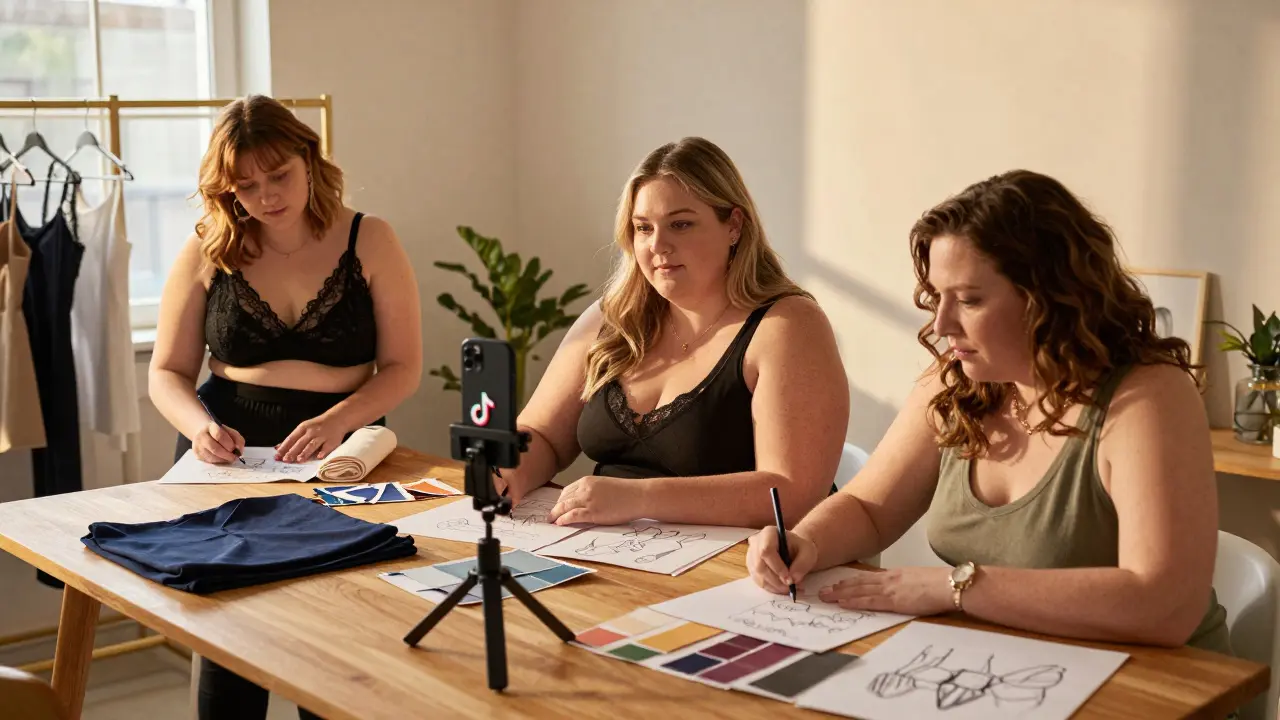
Customers are demanding more. Social media is full of real women - not size-0 influencers - calling out brands that pretend to care. TikTok trends like #SizeInclusiveFashion and #DressForYourBody have millions of views. Shoppers are voting with their wallets. Brands that ignore this are losing.
The next wave won’t be led by agencies or fashion weeks. It’ll be led by consumers. By moms. By students. By women who refuse to buy clothes that don’t fit.
And maybe, just maybe, that’s how the plus-size models will come back - not as tokens on a runway, but as the heart of a new fashion reality.
Comparison: Plus-Size Representation in 2014 vs. 2026
| Category | 2014 | 2026 |
|---|---|---|
| Runway models size 12+ | 12% | 3% |
| Magazine covers featuring plus-size models | 8 per year | 2 per year |
| Major brands with size-inclusive lines | 5 | 23 |
| Plus-size models in advertising campaigns | 18% | 6% |
| Models who transitioned to brand founders | 2 | 47 |
Frequently Asked Questions
Why did plus-size models disappear from runways?
They didn’t vanish because they weren’t good enough. They disappeared because the fashion industry treats diversity as a trend, not a value. When sales dipped or new trends emerged, brands reverted to the same narrow standards they’d always used. The models were never the problem - the system was.
Are plus-size models still working in fashion?
Yes - but not where you expect. Most are no longer on runways. Many now work as influencers, designers, or entrepreneurs. Others are in editorial photography, commercial ads for inclusive brands, or behind-the-scenes roles in styling and production. The door to traditional fashion closed, so they built new ones.
Is body positivity dead?
Not at all. But it’s no longer being sold by fashion houses. Body positivity has moved to TikTok, Instagram, and independent brands. Real women are defining beauty now - not editors, stylists, or CEOs. The movement didn’t die. It got real.
Why do brands still use size 0 models if most women are bigger?
Because the industry still believes thin = desirable = profitable. It’s a myth - but one that’s been reinforced for decades. Changing it means rethinking everything: from how clothes are made, to who gets to be on the cover. And that’s scary for companies used to easy profits.
Can I support plus-size models today?
Absolutely. Buy from brands that design for all sizes. Follow models who speak truth, not just filters. Share their work. Call out brands that use "inclusive" as a buzzword without action. Your choices matter more than any runway.