Top Entertainment Spots and Hidden Gems in Dubai for 2026
Your Ultimate Guide to Entertainment in Dubai
Quick Takeaways
- Dubai offers over 50 unique experiences ranging from high-end indoor theme parks to outdoor cultural hubs.
- The best time to visit attractions is during the cooler months from October to April, though March remains very accessible.
- Budgeting varies wildly; many iconic landmarks offer free entry or discounted weekend passes.
- Digital booking platforms reduce wait times by up to 40% compared to walk-in lines.
- Safety standards at all major venues comply with rigorous international safety regulations.
Have you ever walked through the golden gates of Dubai, feeling overwhelmed by how much happens here every single day? That’s the magic of this city. It doesn’t just exist; it pulses. When people talk about entertainment in dubai, they aren't just talking about watching movies or catching a show. They’re describing an entire lifestyle built around spectacle, innovation, and sheer scale. We live in an era where expectations for leisure are sky-high, and frankly, few places deliver quite like the UAE capital does.
Imagine starting your morning at a historic creek, spending your afternoon chasing dragons inside a massive mall, and ending your evening watching fireworks reflect off a man-made island. Sounds wild, right? It isn’t. It’s Tuesday here. Whether you are planning a weekend getaway or a full week of exploration, understanding the landscape of local fun is crucial. You want to know where the crowds actually are versus where the peace hides. You want to know if that ticket is worth the price tag before you swipe your card.
Defining the Scope of Leisure Here
When we discuss what makes a destination truly entertaining, we look at diversity. In many cities, fun is limited to clubs or parks. In this region, the definition expands. It includes everything from traditional dhows floating on the water to futuristic art installations that challenge your perception of reality. We can categorize the experiences into three main pillars: mega-events, cultural immersion, and family-centric thrill seeking.
Mega-events define the skyline. Think of the annual festivals or the permanent exhibitions housed in structures designed by world-renowned architects. Cultural immersion brings us back to the roots of the desert trade routes, offering a glimpse into heritage that predates the skyscrapers. Family-centric thrill seeking covers the massive indoor resorts that let you ski or surf regardless of the temperature outside. Each pillar serves a different audience. The young professional seeks adventure; the family seeks connection; the tourist seeks awe.
Seasonal Timing and Planning
Since today is late March, you are stepping into the transition period. The scorching summer heat hasn't hit its peak, and the comfortable winter chill is fading. This timing is perfect for outdoor exploration. If you have visited before, you know that July and August are strictly for indoors. But now, walking tours along the coast become viable again. The wind is usually calm in the mornings, making outdoor cafes a great spot to recharge before heading out.
Planning matters because popularity fluctuates. School holidays often swell the crowds. Since we are close to the end of the academic year, some days might see higher traffic than usual. To avoid bottlenecks, aim for weekday visits between 10 AM and 2 PM for popular outdoor locations. Museums tend to be less crowded during lunch hours when tour groups are busy eating.
Major Themes and Locations
The geography of fun is divided. You have the Downtown area, the Marina corridor, the older Deira/Bur Dubai zones, and the northern expanse near the airport. Let's break down what each zone gives you.
Downtown and The Iconic Landmark
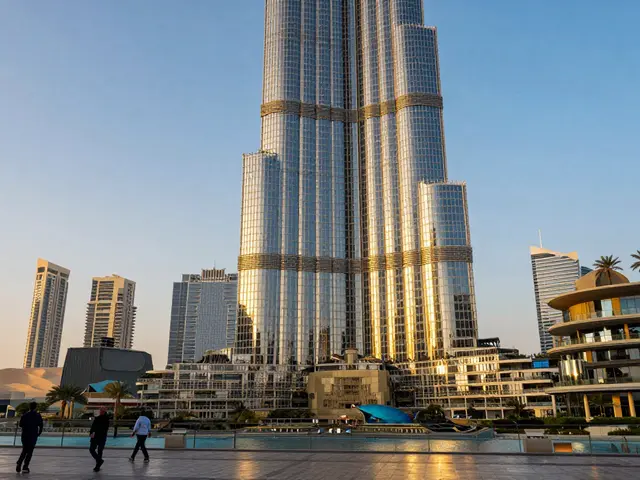
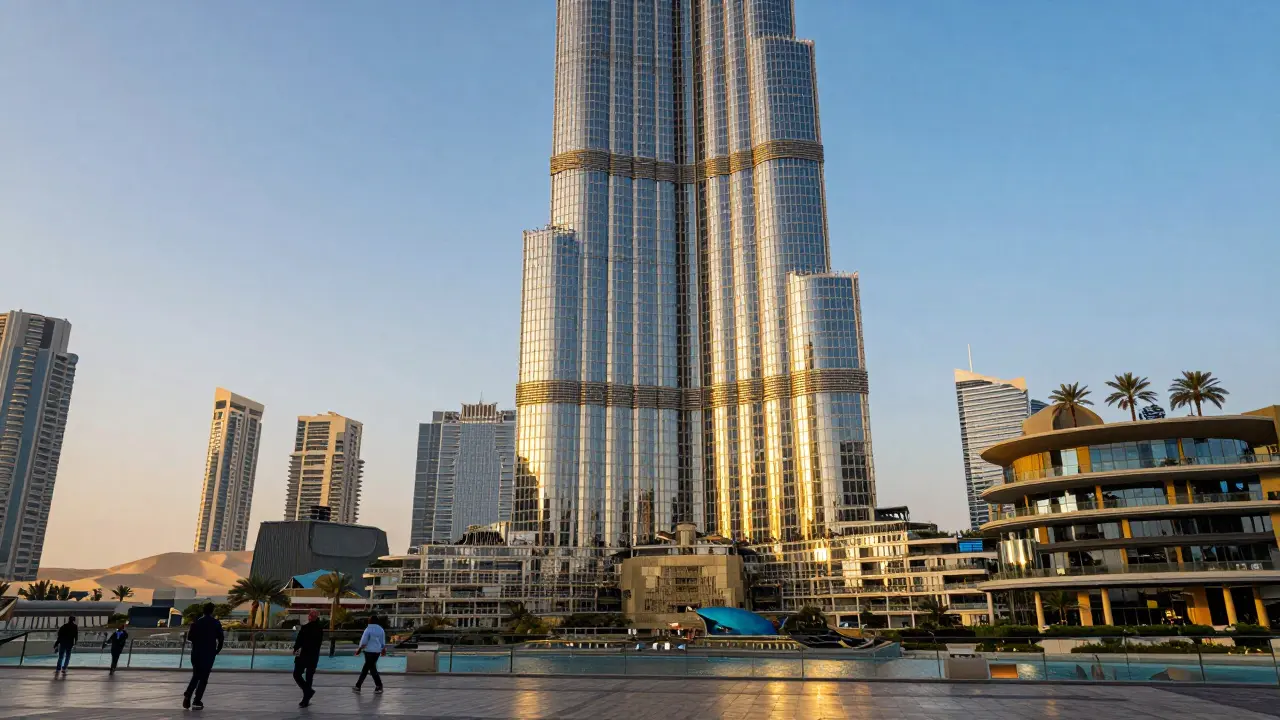
No discussion is complete without mentioning Burj Khalifathe tallest building in the world, standing 828 meters high. It dominates the view from almost anywhere in the city. Visiting the observation deck, known as At the Top, provides a perspective you can't get from photos. The engineering behind the glass panels alone is fascinating. You stand inside while the desert stretches out miles away, creating a stark contrast between concrete jungle and natural dunes.
Right below the tower lies the retail hub known globally as Dubai Malla massive indoor shopping complex housing thousands of stores and attractions. Inside, you aren't just shopping; you are experiencing an aquarium with sharks swimming overhead. There's also an ice rink, a trampoline park, and cinema complexes that run 24/7 in certain seasons. It serves as the central nervous system for visitor traffic.
Palm and Waterfront Adventures
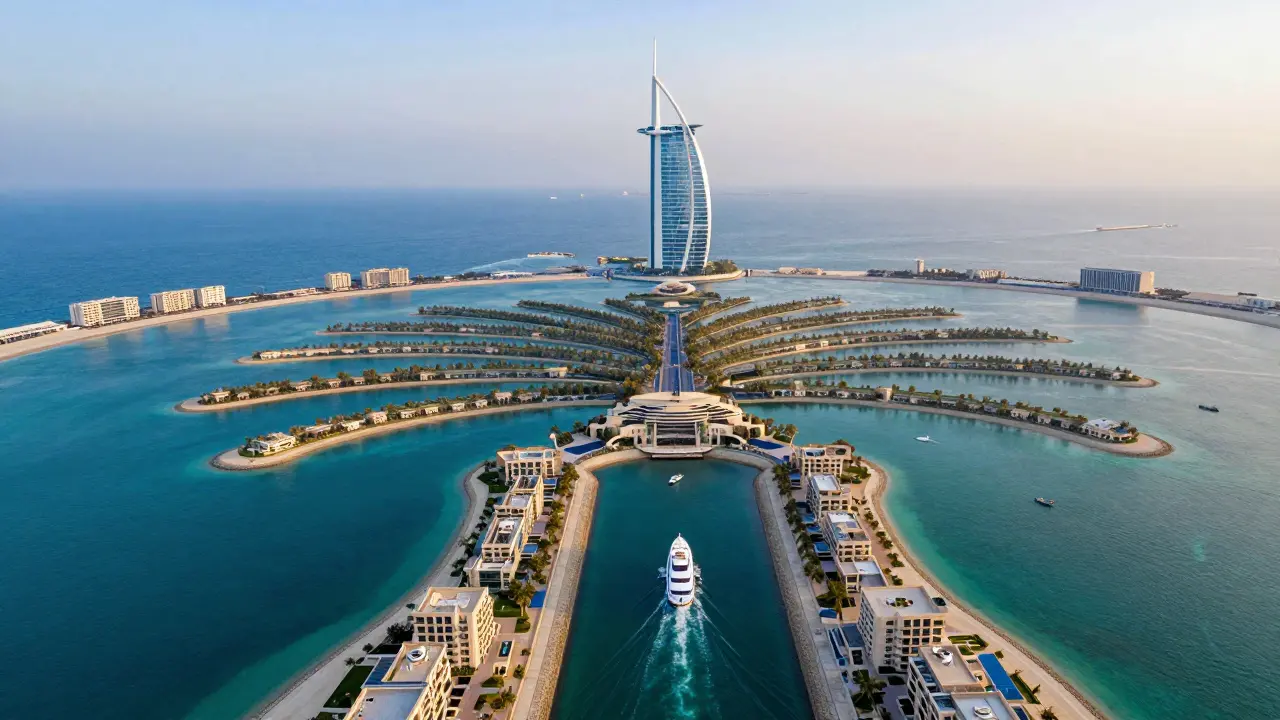
Venture towards the coastline, and you hit the Palm Jumeirahan artificial archipelago shaped like a palm tree, featuring luxury resorts and beaches. The trunk of the palm hosts hotels, while the fronds hold private villas. For entertainment, The Pointe is essential. It features restaurants, a beach club, and views of the Atlantis hotel. Just nearby, the Aquaventure Waterparka large aquapark with slides and lazy rivers located behind Atlantis. offers adrenaline-fueled thrills. Note that peak times for this park align with school holidays, so visiting mid-week saves money and sweat.
If you prefer calmer waters, head to the marina. The promenade is lined with dining options and boat rentals. Taking a yacht cruise along the coast lets you see the architectural highlights like the Cayan Towera twisting residential skyscraper designed to mimic DNA structure. from the water level, where the height looks even more impressive against the horizon.
Cultural Heritage Zones
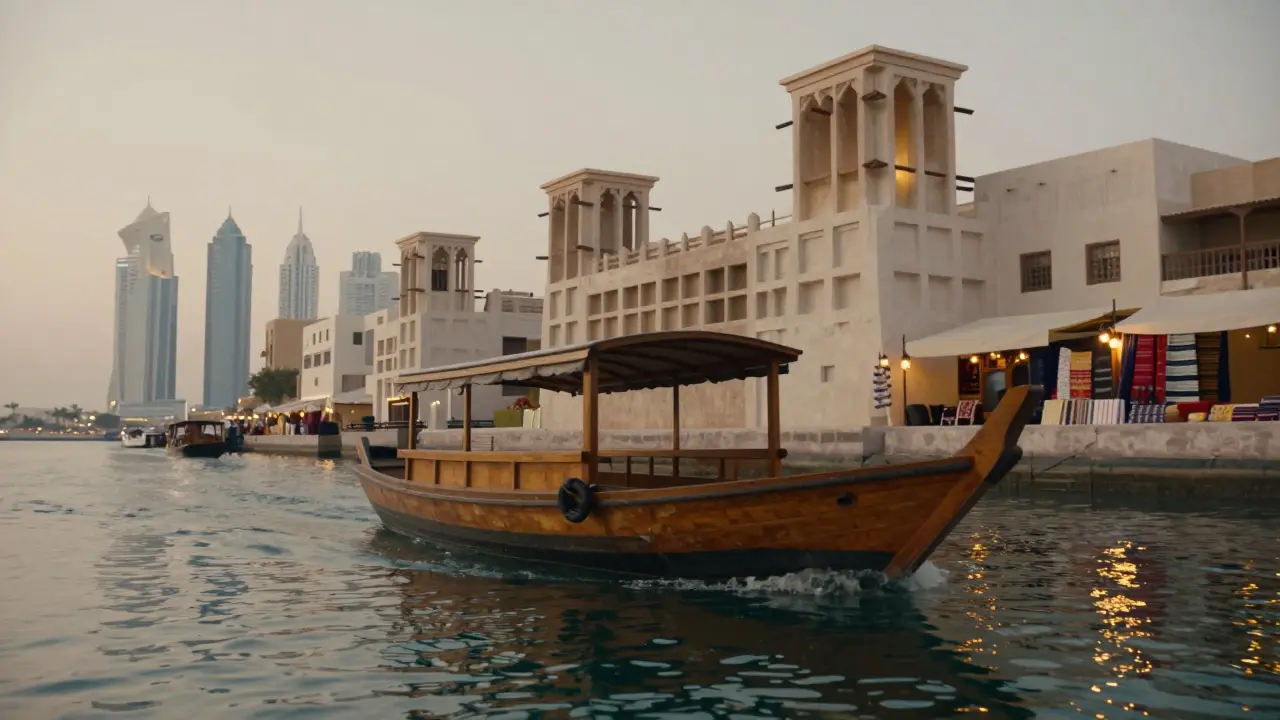
History buffs might find the Al Seefa development recreating the old Dubai creek life with traditional architecture and markets. project fascinating. Walking here feels different from the rest of the city. It mimics the 1960s trading port vibe, complete with souks selling spices and textiles. Across the water lies the Dubai Creekthe original lifeline of the city, connecting the Arabian Gulf to the interior regions. Traditional wooden Abra boats cross the creek for just one dirham, reminding visitors that the foundation of this metropolis was built on humble trade.
Nearby, the Museum of the United Arab Emiratesa cultural institution dedicated to the history of the nation's formation and tribal heritage. (or similar updated venue if renovation occurred recently) anchors the educational side of entertainment. You learn about the pearling industry, falconry traditions, and how Bedouin communities adapted to harsh environments. These stories add depth to the glossy surface of the modern city.
Cost Breakdowns and Value
Money talks everywhere, especially in a place famous for luxury. Prices range drastically depending on what you choose. A walk along the public beach costs nothing. A VIP bottle service at a rooftop lounge can equal a week's rent. Knowing where the sweet spot lies helps you stretch your budget.
| Activity Type | Average Entry Fee | Typical Duration |
|---|---|---|
| Observation Deck Ticket | AED 149 - AED 349 | 1.5 Hours |
| Water Park Pass | AED 250 - AED 399 | All Day |
| Desert Safari Tour | AED 150 - AED 400 | 4-6 Hours |
| Museums & Galleries | AED 30 - AED 70 | 1 Hour |
| Ferrari World Visit | AED 350 - AED 450 | 4 Hours |
Booking online often unlocks dynamic pricing. You might save up to 20% compared to buying at the gate. Furthermore, city pass bundles combine multiple tickets for a flat fee. If you plan to visit two or three premium attractions, these passes break even quickly. Always check if your hotel offers complimentary perks for guests staying five nights or longer.
Safety Guidelines and Etiquette
Even though the place is incredibly modern, it follows specific social codes. Dress modestly in public areas, especially when visiting heritage sites or malls. While beachwear is fine at the waterfront, swapping it for cover-ups upon entering indoor spaces shows respect. Security checks at malls are common and usually quick, scanning bags for prohibited items.
Traffic safety is another big factor. Driving habits can vary wildly between expats and locals. Stick lanes rigorously. If taking taxis, ensure the meter is running. Ride-hailing apps are generally safer for tracking trips. Most entertainment districts have dedicated pedestrian bridges to prevent jaywalking accidents, which are heavily fined.
Comparison: Indoor Thrill vs. Outdoor Culture
Choosing between a climate-controlled wonderland and the open desert depends on your mood. Indoor parks like IMG Worlds of Adventurethe world's largest indoor theme park featuring Marvel characters. guarantee comfort but lack natural beauty. Outdoor safaris offer authentic sunsets and camel rides but depend entirely on the weather forecast. Indoor options are ideal for summer or when traveling with small children who can't regulate temperature easily. Outdoor options are superior for photography enthusiasts capturing the golden hour light.
Is Dubai suitable for solo travelers?
Yes, Dubai is one of the safest cities globally for solo travel. Public transport is reliable, English is widely spoken, and most venues host large crowds where you never feel isolated. Just stick to well-lit tourist areas after dark.
What is the best app to book tickets?
Official websites usually offer the cheapest rates, but aggregator apps like Dubaifun or Trip.com allow you to compare availability across various vendors in real-time.
Are alcohol restrictions common in entertainment venues?
Public consumption is restricted, but licensed bars and hotel venues serve drinks freely. Non-Muslim residents and tourists can purchase alcohol in licensed shops with proper identification.
Can I bring my own food into theme parks?
Generally, outside food is not permitted in major attractions like IMG or Aquaventure to protect internal licensing agreements. Picnic areas are available in public parks like Zabeel Park instead.
How busy is Dubai during Ramadan?
Operations slow down slightly during daylight hours. Many attractions stay open but may adjust opening times. Dining during fasting hours in public areas is prohibited to respect local customs.
Final Thoughts on Your Experience
You have the blueprint. Now comes the execution. Start by picking one district per day. Trying to cramp downtown and the Palm into the same afternoon leads to exhaustion rather than joy. Remember that the city evolves yearly; new attractions pop up constantly. Keep your itinerary flexible enough to explore unexpected finds, like a hidden art gallery in the Al Quoz district or a quiet garden in Jumeirah.
Ready to book your next adventure? Check the opening hours for this weekend before setting out.