Model Dubai Secrets You Need to Discover Today

You think you know what it takes to be a model in Dubai? Think again. The city doesn’t just attract models-it reshapes them. Behind the glossy magazine spreads and Instagram feeds are real stories, real rules, and real secrets most outsiders never hear. If you’ve ever wondered how someone goes from walking the streets of Deira to walking the runway at Dubai Fashion Week, this is your map. No fluff. No hype. Just what actually happens.
What No One Tells You About Modeling in Dubai
Dubai isn’t just another city with a few fashion shows. It’s a high-stakes, high-glamour ecosystem where culture, commerce, and creativity collide. The modeling scene here doesn’t follow the same playbook as New York or Paris. You won’t find open casting calls in parks or street scouts in Bur Dubai. It’s quieter. More selective. And far more strategic.
Most international models assume Dubai is all about luxury brands and runway shows. But the truth? Over 60% of modeling work here comes from commercial shoots-ads for telecoms, beauty brands, real estate developments, and even luxury car launches. These gigs pay better, happen more often, and require a different kind of look than high fashion.
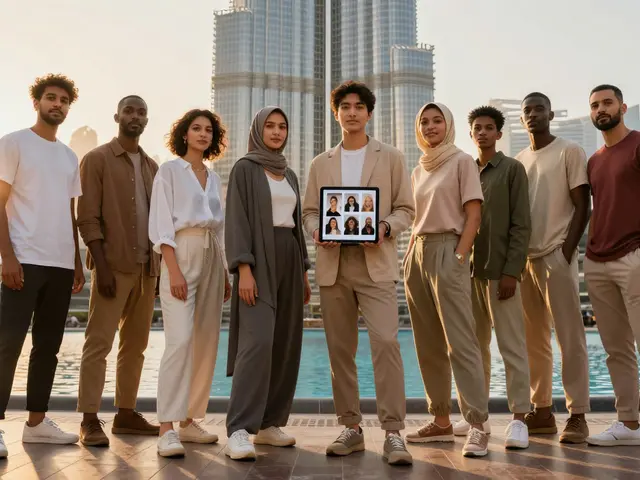
And here’s the first secret: You don’t need to be 5’10” and size 0. Dubai’s market rewards diversity. You’ll see models of all heights, body types, and ethnic backgrounds working regularly. A 5’6” South Asian model with a strong presence just landed a six-figure campaign for a regional skincare brand last month. That wouldn’t fly in some other markets. But here? It’s normal.
The Real Types of Models Working in Dubai Today
If you’re thinking about breaking in, you need to know the four main types of models active in Dubai right now:
- Commercial Models - The backbone of the industry. They sell everything from smartphones to hotels. Look: approachable, relatable, confident. Ages 18-35. Most common.
- Runway Models - Fewer than 100 active in the city. Taller, leaner, with a strong walk. Mostly booked for Dubai Fashion Week and exclusive brand events.
- Plus-Size and Curve Models - Fastest-growing segment. Brands like L’Occitane, Zara Middle East, and Noon.com are actively seeking them. Demand has jumped 200% since 2023.
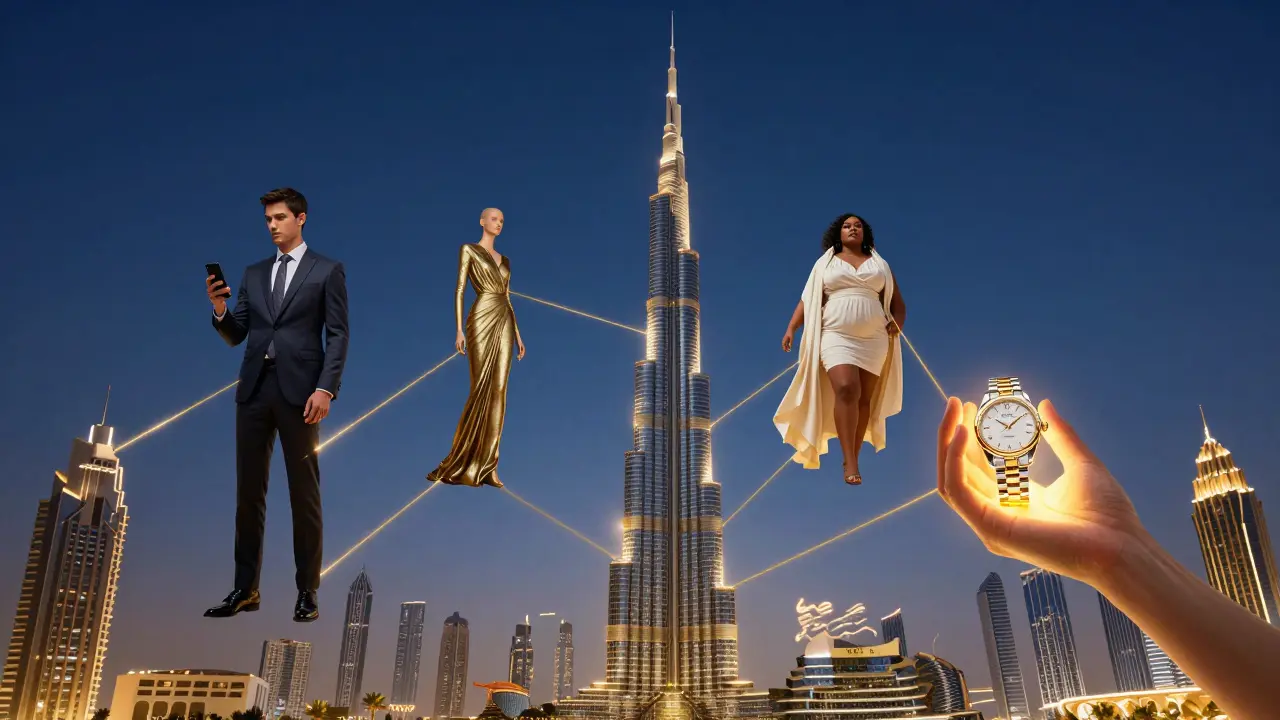
- Parts Models - Hands, legs, hair, eyes. You’d be surprised how many campaigns need just a part of you. A model in Jumeirah makes $1,200 a day just for shooting her hands holding a luxury watch.
There’s also a quiet fifth type: influencer-model hybrids. These are people who started as regular models but built their own audience. They now get paid more for Instagram posts than runway gigs. The line between modeling and content creation is blurring fast.
How to Actually Get Started (No Agency Required)
You don’t need to wait for an agency to find you. Most agencies here are flooded with applications. The real winners? They make themselves impossible to ignore.
Step one: Build a simple, clean portfolio. Not a fancy website. Just a Google Drive folder with 8-12 high-quality photos. Include:
- A headshot (natural lighting, no filters)
- A full-body shot in casual clothes
- A look that matches your strongest niche (e.g., beauty, commercial, athletic)
- One photo with cultural context-like wearing a shayla or standing near the Burj Khalifa
Step two: Post it. Not on Instagram with 10 hashtags. Post it where agencies actually look: Dubai Models Directory (dubaimodels.ae), ModelMayhem, and LinkedIn. Yes, LinkedIn. Many casting directors here use it to find professionals, not just influencers.
Step three: Show up. Attend open casting days at Elite Model Management Dubai and Click Models. Don’t wait for an invitation. Go in person on Tuesdays and Thursdays between 10 a.m. and 2 p.m. Bring your portfolio on a tablet. Dress like you’re already working-clean, simple, polished.
One model I know walked in with just a phone and a PDF. She got signed within 48 hours. Why? She looked like someone who already knew how to carry herself.
What Happens During a Typical Modeling Job in Dubai
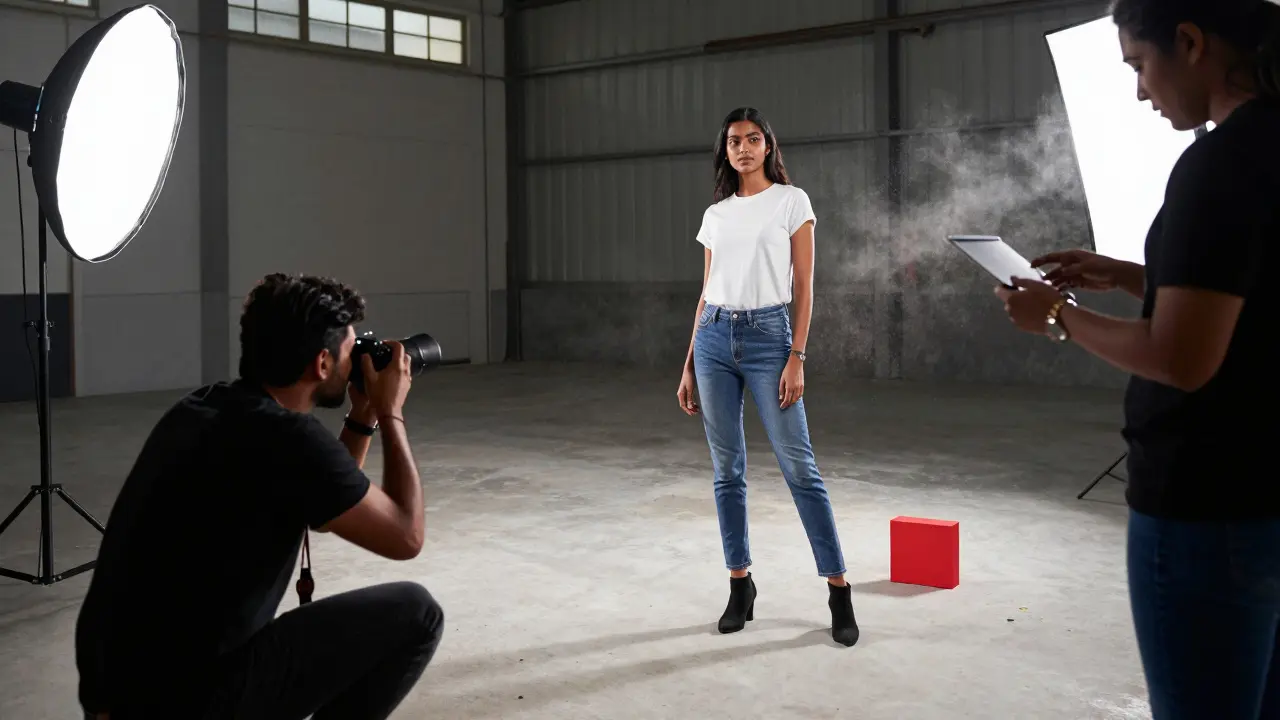
Imagine this: You get a call at 7 a.m. You’re meeting a team at a warehouse-turned-studio in Al Quoz. No makeup artist. No stylist. Just you, a photographer, and a client rep.
That’s not unusual. Many shoots here are fast, efficient, and low on drama. You’ll be asked to change outfits three times in 90 minutes. The client wants five different looks: happy, serious, relaxed, luxurious, and authentic. You’re not just posing-you’re acting.
On larger jobs, you’ll have a full crew: lighting, hair, makeup, two assistants. But even then, the vibe is professional, not chaotic. Dubai has strict rules about behavior on set. No alcohol. No public displays of affection. No inappropriate comments. Violate that, and you’re blacklisted.
And here’s something most don’t expect: You’ll often be asked to speak Arabic, even if it’s just a few words. “Shukran,” “Marhaba,” “Kifak?”-simple phrases go a long way. It shows respect. And in Dubai, respect gets you repeat work.
Pricing: What You Can Actually Earn
Let’s cut through the myths. You won’t make $10,000 a day unless you’re a top-tier runway name. But you can make a solid living.
- Commercial shoots: $150-$500 per hour. Most jobs last 4-6 hours. That’s $600-$3,000 per day.
- Runway shows: $300-$1,500 per show. Only 2-4 shows a season.
- Instagram posts: $200-$2,000 per post, depending on your reach. A model with 50K followers can earn $800 for one post.
- Parts modeling: $800-$1,500 per session.
- Agency commission: 20-25%. Always ask for a contract before signing.
Top earners here don’t rely on one source. They mix commercial work, influencer gigs, and occasional brand ambassador roles. One model I know earns $18,000 a month-not from runway, but from 30 commercial shoots and 12 Instagram posts.
Safety and Legal Tips You Can’t Afford to Ignore
Dubai is safe-but it’s not forgiving. Here’s what you must know:
- Work visa: You need one to legally work as a model. Most agencies handle this. If someone asks you to work without one, walk away.
- Contracts: Always read them. Some include exclusivity clauses that block you from working with competitors for six months.
- Photography rights: Make sure you know how your images will be used. Some contracts allow global, perpetual use. That means your photo could end up on a billboard in Riyadh or Jakarta.
- Personal safety: Never go to a shoot alone. Always bring a friend or agent. If a client insists on a private location, say no.
- Modesty: Even if a shoot calls for swimwear, you’ll be given a private changing area. Respect the culture. It protects you.
There’s no shame in asking questions. If something feels off, it probably is. Trust your gut. The best models here aren’t the most beautiful-they’re the smartest.
Dubai Models vs. International Models: The Key Differences
| Aspect | Dubai Models | International Models (NYC/Paris) |
|---|---|---|
| Primary Work | Commercial, digital ads, regional brands | Runway, high fashion editorials |
| Body Type Demand | Diverse: all sizes, ethnicities | Narrow: tall, slim, specific proportions |
| Agency Fees | 20-25% | 15-20% |
| Work Pace | Faster, more shoots per week | Slower, fewer but higher-profile |
| Cultural Requirements | Respect for local norms, basic Arabic phrases | None-global standard |
| Income Potential (Monthly) | $3,000-$18,000 | $5,000-$30,000 (but fewer gigs) |
The bottom line? Dubai rewards adaptability. If you can switch from a beachwear shoot in Jumeirah to a corporate ad in Downtown Dubai without blinking, you’ll thrive.
Frequently Asked Questions
Can I become a model in Dubai if I’m not from the Middle East?
Absolutely. Dubai is one of the most international modeling markets in the world. Models from India, the Philippines, Ukraine, Brazil, and Nigeria work here regularly. What matters is your look, professionalism, and ability to adapt to local culture-not your passport.
Do I need to speak Arabic to model in Dubai?
Not fluently, but knowing basic phrases like "Shukran" (thank you) or "Kifak?" (how are you?) gives you a huge edge. Many clients appreciate the effort. It shows you respect the culture, and that builds trust.
Is modeling in Dubai only for young people?
No. While many models start in their late teens or early 20s, there’s growing demand for models in their 30s and 40s-especially for commercial and beauty campaigns. Brands want authenticity, not just youth. A 38-year-old mother from Canada just closed a major campaign for a skincare line targeting women over 35.
How long does it take to get signed by an agency in Dubai?
It varies. Some get signed in a week. Others wait months. The fastest path? Have a strong portfolio, show up in person, and follow up politely. Agencies aren’t looking for perfection-they’re looking for reliability. If you’re professional, punctual, and easy to work with, you’ll stand out.
Can I model part-time while studying or working another job?
Yes, and many do. Most commercial shoots happen on weekends or after work hours. You can build a side income without quitting your day job. Just be upfront with agencies about your availability. They’d rather work with someone who’s honest than someone who overpromises.
Final Thought: It’s Not About Being Perfect
Dubai doesn’t want perfect. It wants real. Real confidence. Real presence. Real consistency. The models who last here aren’t the ones with the most followers or the most edits. They’re the ones who show up on time, do the work, and treat every shoot like it matters-even if it’s just for a local pharmacy ad.
If you’re ready to try, start today. Build your portfolio. Go to an open casting. Say hello. That’s it. No grand plan needed. Just action.