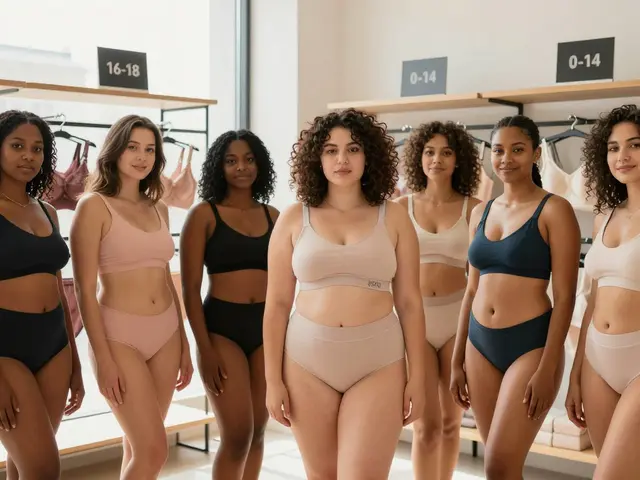
Does Victoria's Secret Use Plus-Size Models?
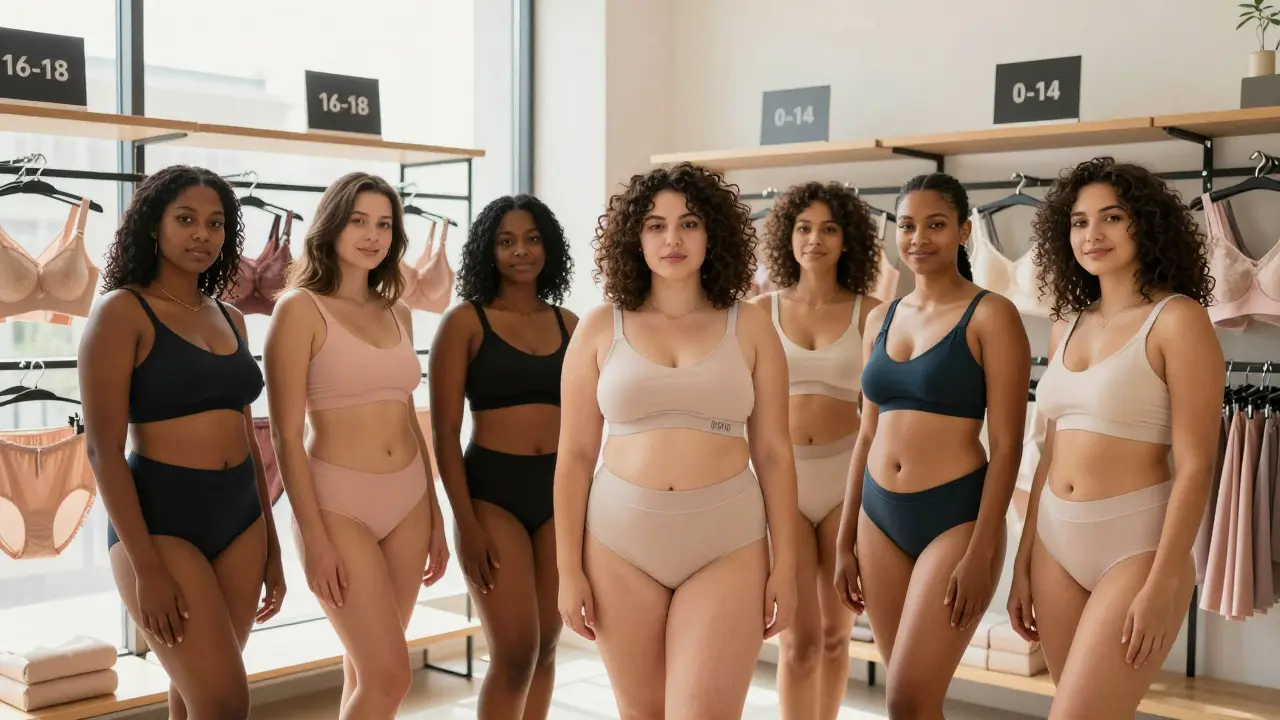
You’ve seen the ads. The glossy magazines. The Instagram posts. But have you ever wondered: Does Victoria’s Secret use plus-size models? The answer isn’t simple. It’s changed. A lot. And if you’ve been waiting for the brand to finally reflect real bodies, here’s what actually happened.
Key Takeaways
- Victoria’s Secret stopped using plus-size models in its main campaigns after 2018.
- The brand dropped its iconic "Angels" in 2019 and shifted focus to a new line called "VS Collective" in 2021.
- VS Collective includes models of different sizes, shapes, and backgrounds-but they’re not labeled as "plus-size" in marketing.
- Real diversity in sizing still doesn’t match what’s available in stores-most sizes top out at 18/20.
- Competitors like Savage X Fenty and Aerie have outpaced Victoria’s Secret in inclusive modeling.
Direct Answer
Victoria’s Secret does not use plus-size models in its main advertising campaigns anymore-but it does feature models of various body types under its "VS Collective" brand, which launched in 2021. However, these models are rarely labeled as "plus-size," and the brand’s actual product line still doesn’t go beyond size 18/20 in most styles. So while the messaging has shifted, the physical availability hasn’t caught up.
What Changed at Victoria’s Secret?
Back in the 2000s and early 2010s, Victoria’s Secret was the gold standard for lingerie. The Angels-tall, thin, airbrushed-were everywhere. But by 2017, something started to crack. Social media lit up. Women started asking: "Why don’t I see people who look like me?"
In 2018, the brand quietly began testing different models. They featured Ashley Graham, a size 14-16 model, in a campaign. It got attention. But it was a one-off. The next year, they axed the Angels entirely. The CEO at the time said the brand needed to "evolve." But evolution doesn’t always mean progress.
By 2021, they launched "VS Collective"-a new lineup of ambassadors that included women of different sizes, ethnicities, and professions. There was a plus-size model named Iskra Lawrence. A trans model. A mom. A dancer. It looked promising.
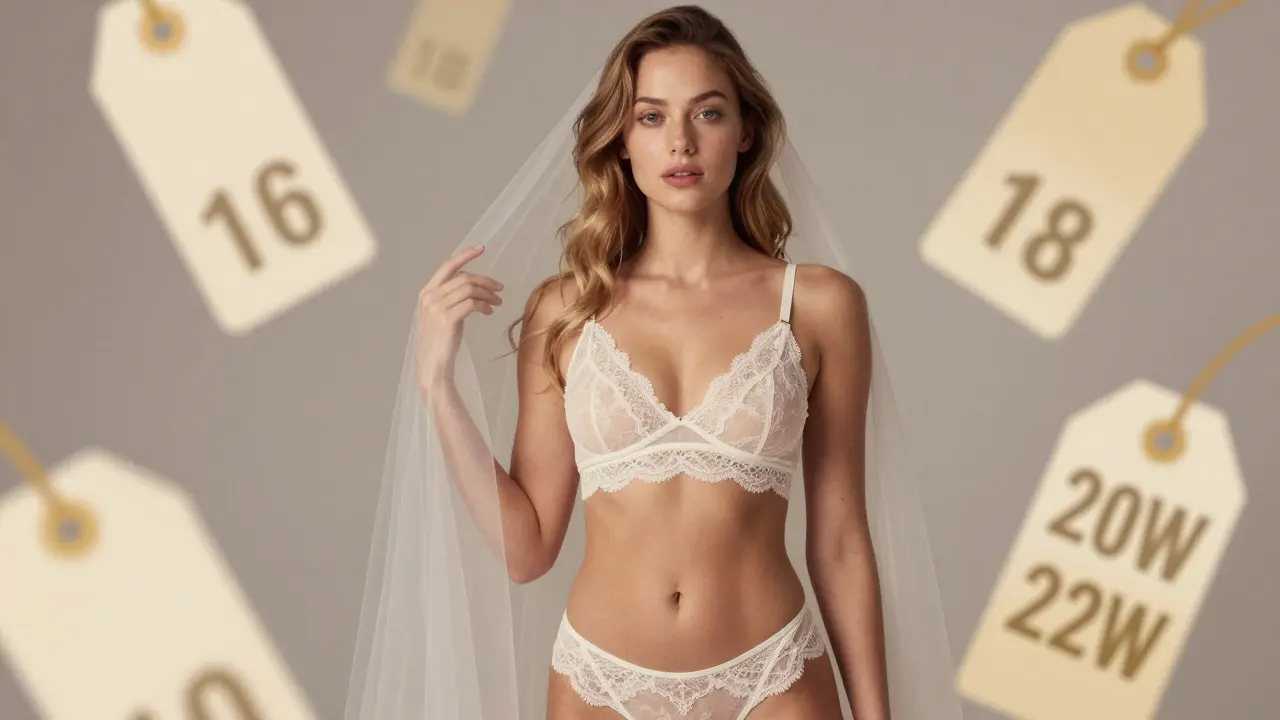
But here’s the catch: they didn’t call them "plus-size models." They called them "inspirational women." The word "plus-size" was erased from the marketing. And the products? Still mostly sized up to 18/20. No 20W, no 22W, no 24W. Just a few styles in extended sizes, tucked away online.
Why the Confusion?
Many people think "plus-size" means size 14 and up. But in retail, that’s not always true. Victoria’s Secret defines "extended sizing" as up to size 18/20. That’s technically not considered "plus-size" in some fashion circles. But for most shoppers, it’s the first size where you start seeing real gaps in fit, coverage, and style.
When you’re a size 16 and you can’t find a bra that supports you without digging into your skin, or a pair of panties that doesn’t roll up like a taco, you’re not imagining it. You’re just shopping at a brand that doesn’t design for you.
And while VS Collective features models who wear those sizes, the brand doesn’t show them in full-body shots wearing the same styles available for purchase. You’ll see a model in a lace bralette-but the bralette is only sold up to size 16. The model wears it. You can’t.
What’s the Real Problem?
The issue isn’t just about who’s on the runway. It’s about what’s on the rack.
Most lingerie brands that claim to be inclusive actually sell sizes up to 24 or even 30. Savage X Fenty, for example, offers bras up to 50DD and panties up to 5X. Aerie’s "Real" campaign has been running since 2014 and includes models up to size 24 with matching product availability. Even smaller brands like ThirdLove and Eberjey have expanded their size ranges to 2X or 3X.
Victoria’s Secret? Still stuck at 18/20. And even then, not all styles are available in those sizes. You’ll find a few bralettes. Maybe one sports bra. But if you’re looking for a full-coverage push-up, a seamless t-shirt bra, or a matching set that doesn’t look like it was designed for a 12-year-old? Good luck.
What’s the Difference Between VS Collective and the Old Angels?
Here’s the breakdown:
| Feature | Old Angels (Pre-2019) | VS Collective (2021-Present) |
|---|---|---|
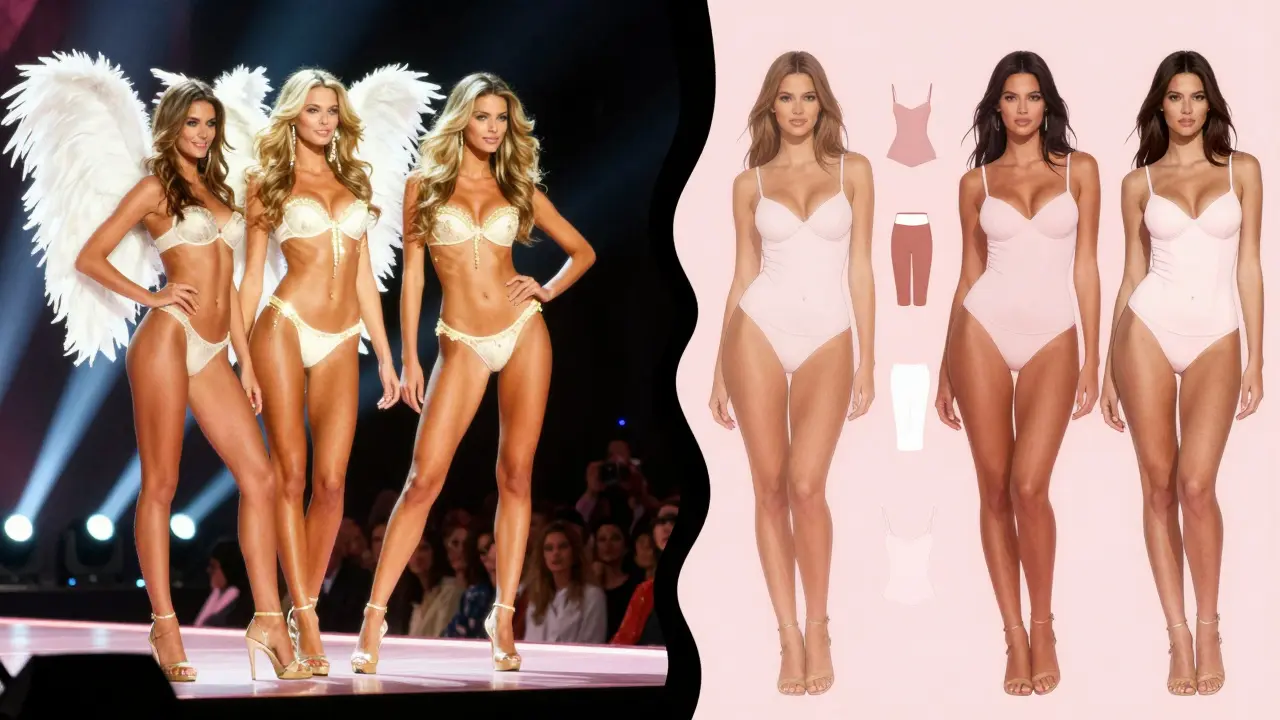
| Body Type | Exclusively thin, tall, narrow-hipped | Varied: includes models who are curvy, muscular, plus-sized, trans, and mothers |
| Size Range Available | 0-14 (rarely 16) | Up to 18/20 (limited styles) |
| Marketing Language | "Fantasy" bra, "perfect body," "angel" | "Real women," "inspiration," "confidence" |
| Product Availability | Same as model size | Models wear sizes not fully available to customers |
| Brand Identity | Sex symbol, fantasy | Empowerment, inclusivity |
So yes, VS Collective is more diverse. But it’s also a branding move. It’s not about changing the product-it’s about changing the perception. And for many women, that’s not enough.
Who’s Doing It Right?
If you’re looking for lingerie that actually fits a range of bodies, here are brands that do it better:
- Savage X Fenty by Rihanna: Sizes XS-3X, bras up to 50DD, inclusive models in every campaign. No sugarcoating.
- Aerie by American Eagle: No retouching. No filters. Real women. Sizes up to 3X. Campaigns since 2014.
- ThirdLove: 100+ bra sizes, including 38 different band sizes. Free size matching tool. Models of all shapes.
- Eberjey: Soft, breathable fabrics. Sizes up to 3X. Minimalist design. No gimmicks.
These brands don’t just show plus-size models-they design for them. Their websites have filters for size 16, 18, 20, 22. You can shop without scrolling past 12 pages of "small" options.
Why Does This Matter?
It’s not just about bras and panties. It’s about what you believe about your body when you walk into a store and don’t see yourself reflected.
When Victoria’s Secret told women for decades that only one body type was sexy, it didn’t just sell lingerie. It sold insecurity. And now, even with their "inclusive" pivot, they’re still not giving you the tools to feel confident in your own skin.
If you’re a size 16 or above, you’ve probably learned to shop online, at niche brands, or in the back of a department store. You’ve learned to ignore the glossy ads. But you shouldn’t have to.
Companies have the power to change how women see themselves. Victoria’s Secret had the chance. They changed their message-but not their product. And that’s the real disappointment.
Frequently Asked Questions
Does Victoria’s Secret sell plus-size lingerie?
Victoria’s Secret sells extended sizes up to 18/20, but only in select styles. Most bras, panties, and sets are only available up to size 16. You won’t find full collections in sizes 20W or above. If you’re looking for true plus-size options (22W and up), other brands like Savage X Fenty or Aerie are better choices.
Are the models in VS Collective plus-size?
Some models in the VS Collective are curvy or wear sizes typically considered plus-size (14-20), but the brand avoids using the term "plus-size" in marketing. They prefer phrases like "curvy," "real women," or "diverse body types." This is intentional branding-avoiding labels while still using bodies that aren’t traditionally represented.
Why doesn’t Victoria’s Secret offer sizes above 20?
The brand claims it’s about "design challenges" and "fabric stretch," but that’s not true-other lingerie brands produce sizes up to 3X and beyond with the same materials. The real reason is likely profit: larger sizes require more fabric, more inventory, and fewer sales. It’s cheaper to keep the line narrow and market to a smaller, more profitable customer base.
Did Victoria’s Secret ever have plus-size models before?
Yes, briefly. In 2018, Ashley Graham appeared in a campaign and wore a size 14. It was widely publicized, but it was a one-time feature. The brand didn’t integrate her into their core lineup, and she wasn’t used in future campaigns. Since then, no model larger than size 16 has been featured in a mainline ad.
Is Victoria’s Secret still relevant for plus-size shoppers?
Not really. While the VS Collective campaign sounds inclusive, the actual product line doesn’t match. If you’re looking for bras, panties, or shapewear that fit and flatter sizes 18 and above, you’ll find better options, better fit, and better representation elsewhere. Victoria’s Secret is now more of a nostalgia brand than a practical one.
What Should You Do?
Stop waiting for Victoria’s Secret to catch up. The brand has had years to change-and they chose not to. If you want lingerie that fits, supports, and makes you feel powerful, there are dozens of brands doing it right. Try Savage X Fenty. Try Aerie. Try ThirdLove. They don’t just show diversity-they build for it.
And if you’re still drawn to Victoria’s Secret for the aesthetics? Fine. But don’t confuse marketing with reality. The models you see? They’re not shopping for the same bras you are.