Body to Body Massage: What It Really Feels Like and Where to Find It in the UK
You’ve seen the ads. Maybe you’ve whispered about it to a friend. Or maybe you’re just curious what all the fuss is about. Body to body massage isn’t just another spa treatment-it’s an experience that blends touch, rhythm, and presence in a way most people never get to feel. And no, it’s not what you think. Not in the way the movies show it. Not in the way the internet exaggerates it. It’s quieter. Deeper. More human.
What Exactly Is a Body to Body Massage?
At its core, a body to body massage is a therapeutic technique where the therapist uses their own body-usually their forearms, elbows, or legs-to apply pressure and glide over yours. Think of it like a slow, warm wave moving across your skin. Instead of just hands, the whole body becomes the tool. It’s not about seduction. It’s about surrender.
This style originated in ancient Thai and Balinese traditions, where the practitioner’s body weight was used to create deeper, more flowing pressure than hands alone could deliver. Today, in licensed UK spas, it’s adapted into a safe, consensual, and deeply relaxing experience. The therapist wears a swimsuit or lightweight garment. You’re draped in towels, only exposed where work is being done. There’s no nudity. No sexual contact. Ever.
It’s not a fantasy. It’s a form of deep tissue therapy that releases tension you didn’t even know you were holding. People who’ve tried it describe it as being hugged by warm oil, or like floating in slow motion. The rhythm is slow. The pressure is firm but never painful. And the silence? It’s golden.
Why People Choose It (And Why It Works)
Most people come for stress relief. But they stay because it does something their regular massage never could.
When a therapist uses their body instead of just hands, they can apply pressure more evenly across larger areas. That means your lower back, hips, and shoulders-places that usually stay tight-get worked more deeply. Studies in Journal of Bodywork and Movement Therapies show that massage using body weight reduces cortisol levels by up to 31% after just one session. That’s not magic. That’s physics.
One client from Manchester told me: “I’ve had 12 Swedish massages this year. This was the first time I cried during a session-not from pain, but because I finally felt safe enough to let go.” That’s the real magic. It’s not the oil. It’s the trust.
People also report better sleep, reduced muscle soreness, and even lower blood pressure after regular sessions. It’s not a cure. But for chronic stress, anxiety, or physical burnout? It’s one of the most effective tools you haven’t tried yet.
What You’ll Actually Experience During a Session
Let’s walk through it, step by step.
- You arrive at a quiet, dimly lit spa. No loud music. No receptionists asking for your credit card before you’ve even sat down.
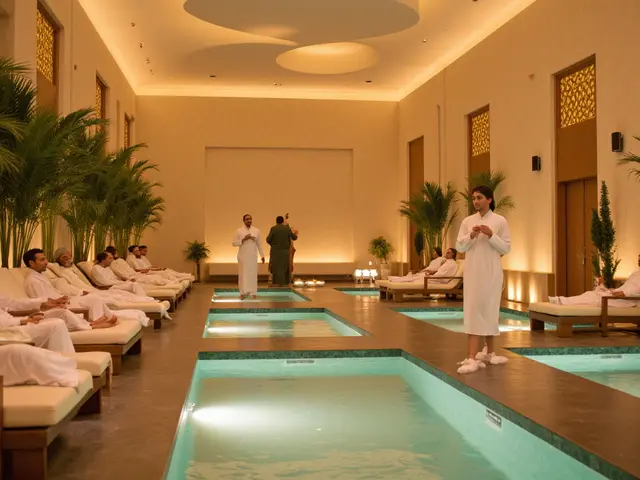
- You’re shown to a warm room with soft lighting and the smell of sandalwood or lavender.
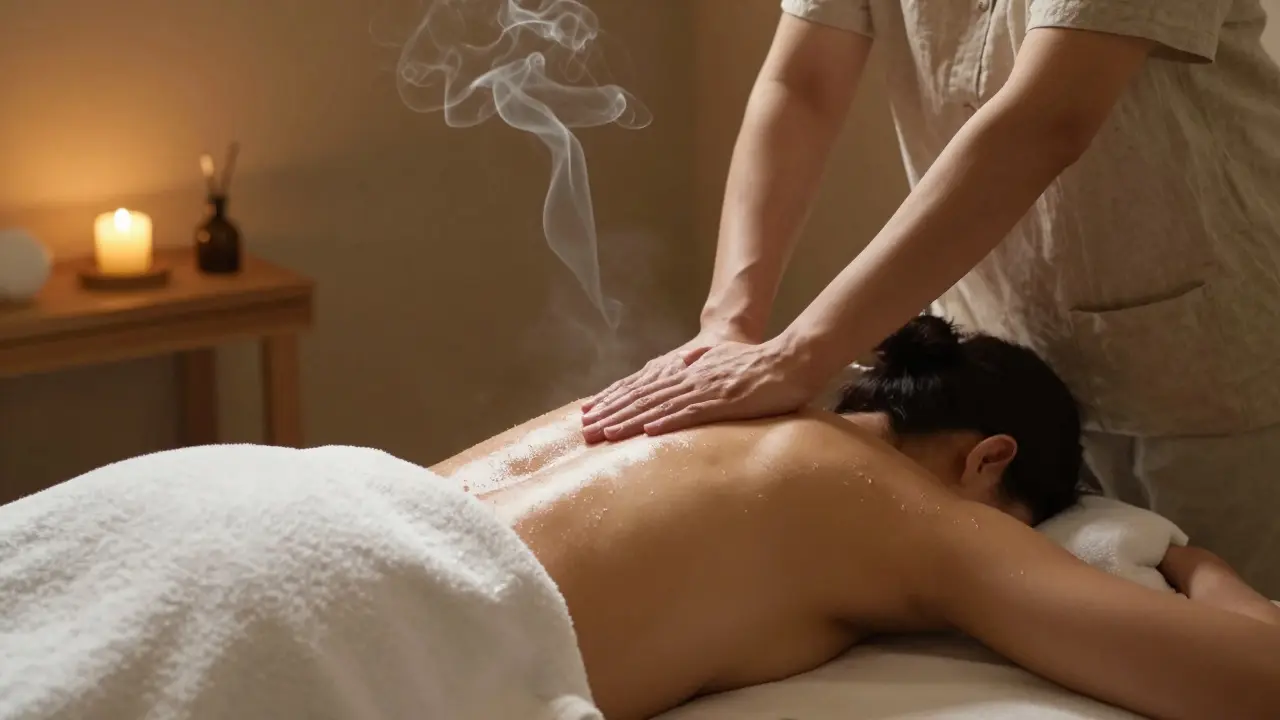
- You undress and lie on the heated table, covered with towels. The therapist knocks, enters quietly, and asks if you’re comfortable.
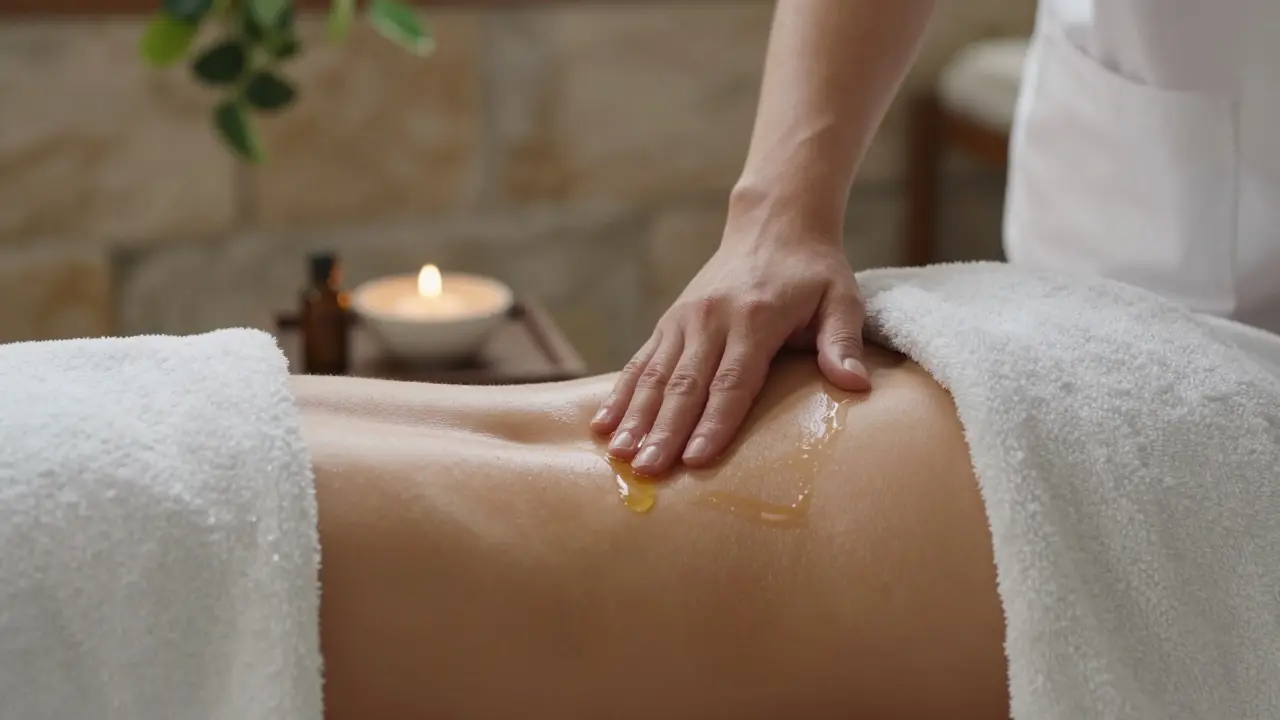
- They apply warm oil-not too much, just enough to let their skin glide smoothly over yours.
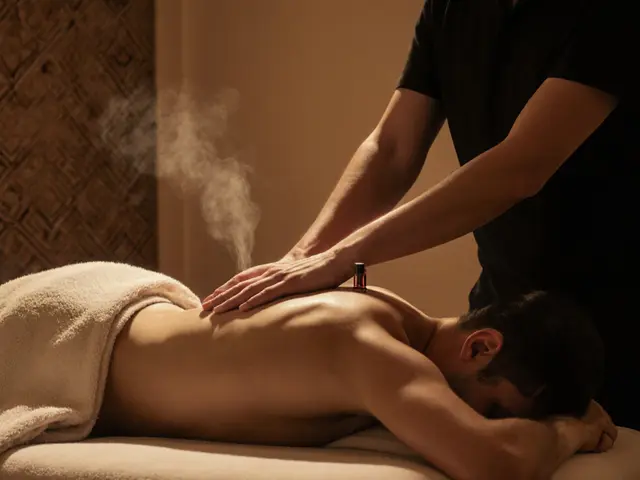
- They begin with your back. Slow, long strokes. Then their forearm moves down your spine. Then their leg glides along your outer thigh. It feels like being held, not touched.
- There’s no talking. Just breathing. You might fall asleep. That’s normal.
- The session lasts 60 to 90 minutes. You’re never rushed.
- You’re left alone to dress. No one rushes you. No one asks for feedback right away.
It’s not about performance. It’s about presence. That’s why people keep coming back.
Where to Find It in the UK (And What to Look For)
Not every spa offers this. And you should never just book the first one that pops up on Google.
Look for places that:
- Have clear, professional websites with real photos-not stock images of couples holding hands.
- Explain the process in detail, including boundaries and hygiene.
- Use licensed therapists with certifications in Thai or deep tissue massage.
- Require client consent forms and pre-session consultations.
In Manchester, places like The Quiet Room Spa in Altrincham and Still Waters Holistic in Chorlton are known for their professionalism. In London, Therapy by Touch in Notting Hill and Zen Garden in Camden have strong reputations. In Brighton, Earth & Soul is a favorite for its calm energy.
Check reviews. Not just star ratings. Read the long ones. If people mention “respect,” “safety,” or “no pressure,” that’s a good sign. If they say “it felt weird” or “they didn’t explain anything,” walk away.
Body to Body vs. Traditional Massage: A Real Comparison
| Feature | Body to Body Massage | Traditional Swedish/Deep Tissue |
|---|---|---|
| Pressure Application | Uses therapist’s body weight-broader, deeper pressure | Hands only-more focused, can be uneven |
| Duration | 60-90 minutes (usually) | 30-75 minutes |
| Oil Used | Warm, light oils (jojoba, almond) | Light to medium oils |
| Therapist Clothing | Swimsuit or lightweight garment | Naked (only hands exposed) |
| Client Clothing | Under towels, fully draped | Under towels, fully draped |
| Best For | Chronic tension, stress release, deep relaxation | Localized pain, sports recovery, quick relief |
| Average Price (UK) | £90-£150 | £60-£110 |
It’s not better. It’s different. If you’re dealing with tight hips from sitting all day, body to body might be the breakthrough you need. If you just want a quick neck rub after work, stick with traditional.
Safety First: What to Watch Out For
This isn’t a free-for-all. Reputable spas follow strict guidelines.
- Therapists are trained professionals-not “massage therapists” who moonlight online.
- There’s always a clear boundary: no genital contact, no kissing, no sexual talk.
- Consent is ongoing. You can say “stop” at any time. No questions asked.
- Hygiene is non-negotiable. Sheets are changed after every client. Oil is fresh. Hands are washed.
- Booking should require a consultation. If they don’t ask about your health or comfort level, run.
Never go to a place that doesn’t have a physical address. No “mobile” services unless they’re vetted by a known spa. And if someone pressures you to pay upfront without a consultation? Red flag.
Is This for You?
It’s not for everyone. And that’s okay.
If you’re uncomfortable with skin-to-skin contact, or if you’ve had trauma around touch, skip it. There’s no shame in that. But if you’ve tried everything-yoga, meditation, regular massages-and still feel stuck in your body? This might be the key.
It’s not about sex. It’s about relearning what safe, slow, intentional touch feels like. In a world that’s always rushing, it’s a rare gift to be held without expectation.
Frequently Asked Questions
Is body to body massage legal in the UK?
Yes, it’s legal as long as it’s performed in a licensed spa by trained professionals who follow strict boundaries. Any sexual activity or solicitation is illegal and grounds for immediate closure of the business. Reputable spas operate transparently and comply with UK health and safety regulations.
Do I have to be naked during the massage?
No. You are fully draped in towels at all times. Only the area being worked on is exposed, and only for as long as necessary. The therapist never touches private areas. If you’re uncomfortable, you can wear underwear-most spas allow this.
Will I feel aroused during the massage?
It’s possible, but rare-and completely normal. Your body responds to touch, even when your mind doesn’t want it to. A professional therapist understands this. They won’t react. They won’t comment. They’ll continue the session calmly. If you feel embarrassed, just breathe. It’s not about sex. It’s about your nervous system resetting.
How often should I get a body to body massage?
Once a month is ideal for stress relief. If you’re dealing with chronic pain or high stress, every two weeks can help. But don’t overdo it. Like any deep therapy, your body needs time to integrate the effects. Too much too soon can leave you feeling drained.
Can I bring a friend or partner?
No. This is a private, one-on-one experience. Bringing someone else disrupts the safety and focus of the session. Most spas won’t allow it. If a place says it’s okay, that’s a warning sign. This isn’t a group activity-it’s personal healing.
Ready to Try It?
You don’t need to be brave. You just need to be curious. Book a 60-minute session. Go in with no expectations. Let your body decide what it needs. You might walk out feeling lighter. Or you might cry. Or you might just fall asleep. All of that is okay.
Touch is one of the most basic human needs. But in our busy lives, we forget how to receive it safely. This isn’t luxury. It’s medicine.