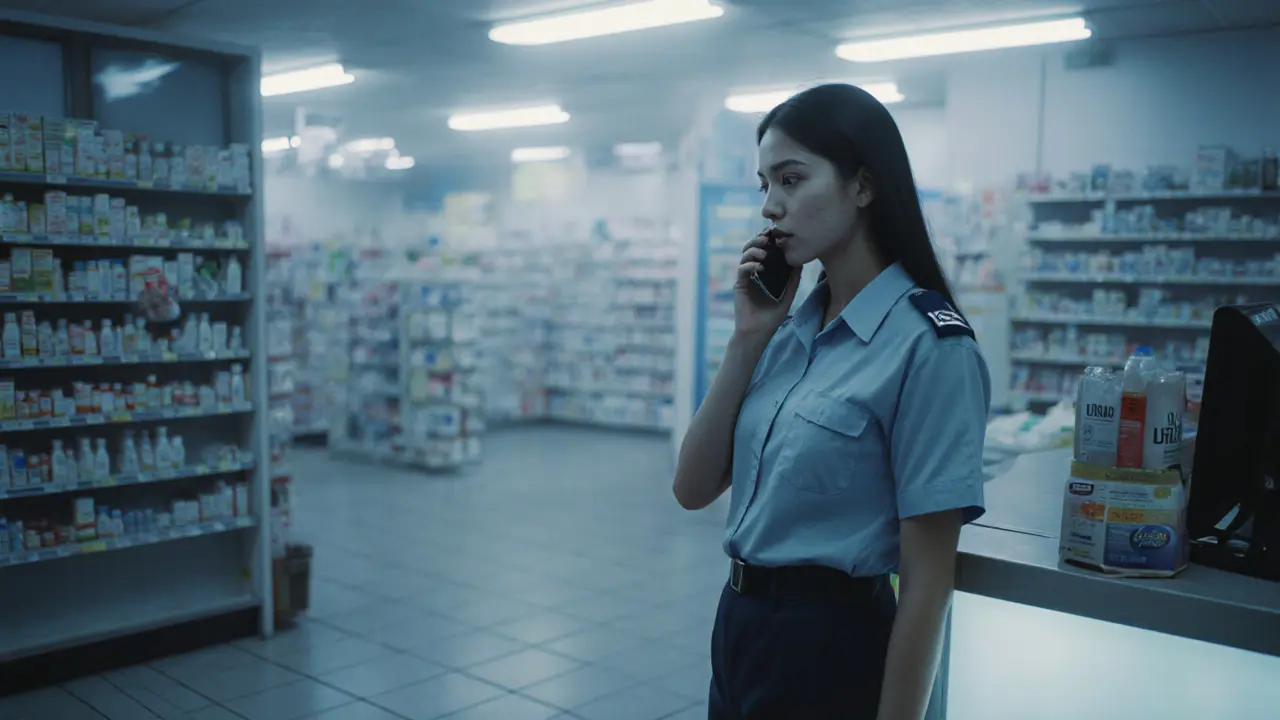
Girls from Dubai is a 2025 short film that reveals the hidden lives of migrant women working in Dubai. Not a glamour piece, but a quiet, powerful story of resilience, identity, and invisibility.

When a film shot in Dubai sparked outrage across the Gulf, it wasn’t just about the scenes on screen—it was about Dubai film controversy, a clash between global media norms and local cultural boundaries in one of the world’s most tightly regulated entertainment markets. Also known as the UAE cinema backlash, this incident exposed deep tensions between artistic expression and legal limits in a city that thrives on spectacle but enforces strict moral codes. This wasn’t some obscure indie project. It was a high-profile production that used Dubai’s luxury backdrops—Cavalli Club, Billionaire Nightclub, and rooftop pools—to tell a story that crossed lines most locals never knew existed.
The controversy didn’t start with protests. It started with a leaked clip. A scene showing a foreign model in a private Dubai villa, dressed in swimwear, interacting with a male guest in a way that violated local norms, went viral. Within hours, hashtags like #DubaiCinemaExposed and #NoToWesternFilmsInUAE trended across Arabic social media. The film’s producers claimed it was "artistic freedom." Local authorities called it "cultural disrespect." What no one talked about openly? Many of the people in that scene were models or companions—exactly the kind of talent featured in posts about Dubai models, individuals who navigate the blurred lines between fashion, entertainment, and personal services in the city’s high-end nightlife. Agencies that book these models for photo shoots and events were suddenly under scrutiny. Were they aware of how their talent would be used? Did they sign off on content that could trigger legal action?
The fallout was swift. The film was pulled from all Dubai theaters. One producer was banned from reapplying for a filming permit. Two local influencers who promoted the movie lost their brand deals. And suddenly, every production company working in the UAE had to rethink their scripts. The UAE media laws, a set of strict regulations governing content, dress, and behavior in public media, especially when foreign talent is involved were no longer just paperwork—they became real consequences. This isn’t about banning art. It’s about context. Dubai allows glamorous nightlife, luxury escorts, and bikini models on beaches. But put those same elements into a narrative that implies intimacy outside marriage, and the system hits back. The film censorship Dubai, the unofficial but powerful process of editing or blocking content deemed offensive to local values before or after release isn’t always visible. Sometimes, it’s just a call from a government liaison saying, "This scene doesn’t fly here. Cut it or we cut your permit."
What you’ll find in the posts below aren’t just articles about nightlife or modeling. They’re clues to the real story. The same models who appear in bikini campaigns are the ones rumored to have been in that film. The same clubs that host elite parties are the same venues where filming permits are quietly denied. The same escort agencies that offer luxury companionship also know who’s willing to appear in risky shoots. This controversy didn’t come out of nowhere. It was brewing in the quiet corners of Dubai’s glittering surface. And now, everyone’s asking: how far is too far when the city sells fantasy but punishes truth?
Girls from Dubai is a 2025 short film that reveals the hidden lives of migrant women working in Dubai. Not a glamour piece, but a quiet, powerful story of resilience, identity, and invisibility.